3D vs 4D Number Plates: What's the Difference?
Posted: Sat, 17 Oct 2026 11:04 by Emma
3D vs 4D Number Plates: What's the Difference?
If you're looking to give your car a more distinctive appearance, you've probably come across 3D gel and 4D number plates.
Both styles have become popular with car enthusiasts looking for something different from traditional flat printed lettering. They add depth, texture and a more premium finish, but the two styles are quite different.
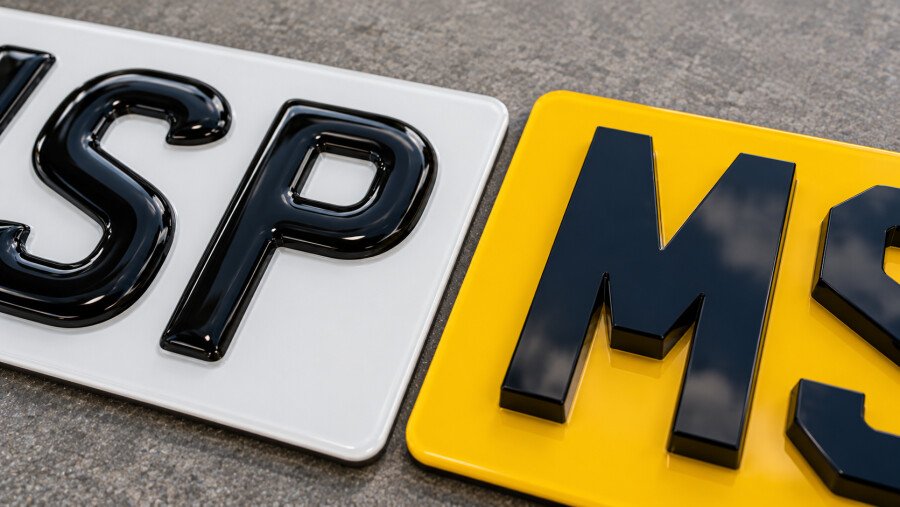
The main difference comes down to the construction and appearance of the characters. 3D gel plates have smooth, rounded lettering, while 4D plates use solid raised acrylic characters with sharper, more defined edges.
So which style should you choose?
In this guide, we'll compare 3D gel and 4D plates, explore their materials and finishes, and help you decide which option best complements your vehicle.
What Are 3D Gel Number Plates?
3D gel number plates feature raised characters with a smooth, rounded surface and a glossy finish.
The characters are typically formed using a flexible resin-based material, creating a domed effect that catches the light differently from standard flat lettering.
Unlike printed characters, which sit visually flat against the plate background, 3D gel lettering adds physical depth.
The rounded profile gives these plates a softer, more subtle appearance compared with the sharper edges of 4D acrylic lettering.
This makes 3D gel show plates a popular choice for drivers who want a distinctive finish without making the lettering look too angular or prominent.
What Do 3D Gel Plates Look Like?
The most recognisable feature is the smooth, curved surface of each character.
As light moves across the plate, the glossy lettering creates subtle reflections that emphasise its raised profile.
The overall appearance is clean and contemporary, making gel lettering well suited to a wide range of vehicles.
What Are 4D Number Plates?
4D number plates use individually cut, solid acrylic characters that are applied to the surface of the plate.
Unlike the rounded lettering found on 3D gel plates, 4D characters have flatter faces and more defined edges.
This creates a sharper, more pronounced three-dimensional appearance.
The raised acrylic lettering produces visible depth and subtle shadows around each character, giving the plate a distinctive finish.
4D show plates have become particularly popular with modern, performance and modified cars, where their angular styling can complement other exterior details.
What Do 4D Plates Look Like?
The main visual difference is the definition of the lettering.
Each acrylic character has a solid, structured appearance with relatively sharp edges rather than the rounded surface associated with gel lettering.
The result is a more prominent raised effect, particularly when viewed from an angle.
For drivers who prefer a bold, modern look, 4D lettering can make a noticeable difference to the appearance of a plate.
What Is the Difference Between 3D and 4D Number Plates?
Although both styles use raised lettering, they produce noticeably different finishes.
The most important differences are the materials, character profiles and overall appearance.
| Feature | 3D Gel Plates | 4D Acrylic Plates |
|---|---|---|
| Character material | Flexible, resin-based gel | Solid acrylic |
| Lettering profile | Smooth and rounded | Flat-faced with defined edges |
| Finish | Glossy, domed appearance | Structured, raised acrylic |
| Visual effect | Softer three-dimensional look | Sharper, more pronounced depth |
| Character feel | Slightly flexible | Rigid and solid |
| Overall style | Smooth and understated | Bold and contemporary |
Neither style is automatically better than the other.
The right choice depends on the appearance you're trying to achieve and how the lettering complements the rest of your vehicle.
3D Gel vs 4D Plates: Which Looks Better?
Appearance is usually the biggest deciding factor when choosing between these two styles.
Both offer a noticeable upgrade in visual depth compared with traditional flat printed lettering, but they create different effects.
Choose 3D Gel for a Smooth, Glossy Finish
3D gel lettering works particularly well if you prefer a softer, more rounded appearance.
The glossy surface creates subtle highlights without the sharp edges associated with solid acrylic characters.
This can complement vehicles with smooth bodywork, curved styling and understated exterior details.
If you want raised lettering that remains relatively subtle, gel plates are worth considering.
Choose 4D for a Sharper, More Defined Appearance
4D lettering is a good option if you prefer a more prominent raised effect.
The solid acrylic characters create defined edges and visible depth, giving the plate a structured appearance.
This style can work particularly well with performance cars, sporty styling packages and modified vehicles.
If your preference is for bold, angular details, 4D plates may be the better match.
Are 3D and 4D Plates Made from Different Materials?
Yes. The materials used to create the characters are one of the main differences.
3D gel characters are generally produced using a flexible, resin or gel based material that forms a smooth, domed surface.
4D characters are cut from solid acrylic, creating a more rigid and defined shape.
Both types are applied to a plate backing, but their different construction methods give them distinct appearances and textures.
It's worth remembering that the quality of the materials and manufacturing process can vary between suppliers.
A well-produced plate should have neatly finished lettering, consistent character positioning and a clean overall appearance.
Are 3D or 4D Number Plates More Durable?
Both styles can offer good durability when produced using quality materials and properly maintained.
However, their different construction means they may respond differently to wear and handling.
3D gel characters have a flexible, rounded surface, while 4D acrylic characters are more rigid.
The long-term condition of either style depends on factors such as material quality, adhesive performance, exposure to the elements and cleaning methods.
Neither style should be considered automatically more durable simply because of its appearance.
For the best results, avoid abrasive cleaning products and harsh scrubbing, particularly around raised characters.
A gentle wash using suitable automotive cleaning products is generally the better approach.
Do 3D and 4D Plates Suit Different Cars?
Both styles can work with almost any type of vehicle, but certain designs naturally complement different styling preferences.
Modern and Performance Cars
4D acrylic lettering is particularly popular with modern performance vehicles.
Its sharper edges and defined profile can complement angular bodywork, sporty bumpers and other prominent exterior details.
Luxury and Executive Cars
3D gel lettering can work particularly well on vehicles where a smoother, more understated appearance is preferred.
The glossy, rounded characters provide additional depth without creating the same angular effect as 4D acrylic.
Modified Cars
For modified vehicles, the decision often comes down to the overall theme of the build.
A car with aggressive styling and sharp exterior details might suit 4D lettering, while a cleaner, more subtle build could work well with 3D gel.
Ultimately, there are no fixed rules. Personal preference is the most important factor.
Can You Customise 3D and 4D Show Plates?
Yes. The character style is only one part of the overall design.
Depending on the plate type and available options, you can also personalise elements such as:
- Plate size and dimensions
- Character spacing
- Borders and edging
- Badges and identifiers
- Slogans and additional text
- Registration or chosen display text
These details can have a significant effect on the finished appearance.
For example, a relatively simple 4D plate with no additional features can create a clean, modern look, while a gel plate with a subtle border may offer a more personalised finish.
The key is choosing elements that work together rather than adding features simply because they're available.
For more inspiration, explore our Complete Guide to Show Plates.
Are 3D and 4D Number Plates Road Legal?
Raised lettering itself is not automatically prohibited on UK road-use number plates.
Both 3D and 4D character styles can be used where the finished plate meets the applicable requirements for construction, character appearance, spacing and other regulated details.
What matters is the finished plate rather than simply whether it is described as 3D or 4D.
Show plates also offer additional customisation options for displays and other uses.
Which Should You Choose: 3D Gel or 4D Acrylic?
If you're deciding between 3D gel and 4D acrylic plates, start by considering the look you want to achieve.
Choose 3D gel plates if you prefer:
- Smooth, rounded characters
- A glossy, domed finish
- A softer raised appearance
- A clean, understated style
Choose 4D acrylic plates if you prefer:
- Solid, rigid characters
- Sharper, defined edges
- More pronounced visual depth
- A bold, contemporary appearance
Both styles offer something different from traditional flat lettering, and either can complement the right vehicle.
There isn't a universal winner. The best option is the one that suits your personal taste and the styling of your car.
Design Your Own 3D Gel or 4D Show Plates
Whether you prefer the smooth, glossy appearance of 3D gel lettering or the sharp, defined finish of 4D acrylic, choosing the right plate can make a noticeable difference to your vehicle's overall appearance.
At My Show Plates, you can explore different lettering styles, plate sizes and available customisation options to create a design that suits your preferences.
Take a closer look at our 3D gel show plates and 4D show plates, or create your custom show number plates using our online plate designer.